


 English
 русский
 Español
Industry News
Can Hand Grinder Carbon Brush Be Ignored for Too Long?
Hand grinder carbon brush wear develops gradually, which is one reason it is often overlooked during routine tool maintenance. External accessories usually receive immediate attention because they are easy to replace, while the components inside the motor continue working through thousands of operating cycles with little or no inspection.
This difference in maintenance habits affects more than brush life. Stable electrical contact depends on the condition of the hand grinder carbon brush, and any change takes place little by little rather than all at once. The grinder may still operate normally, making it difficult to judge the condition of the brush from daily use alone.
Visible Parts and Hidden Components Follow Different Maintenance Cycles
Grinding discs, guards and handles are inspected whenever they show obvious wear. Internal motor components rarely follow the same routine because they cannot be checked without opening the housing.
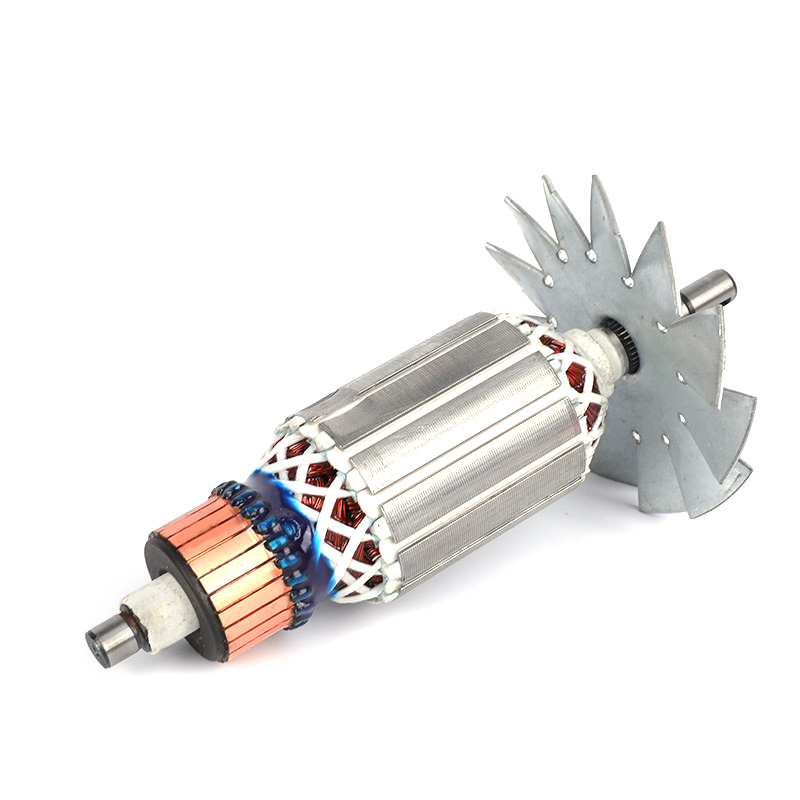
The hand grinder carbon brush belongs to a group of consumable electrical parts that gradually lose material while remaining in service. Continuous contact with the commutator slowly changes the brush profile, and this process continues every time the motor starts, stops or operates under load. Waiting until power loss becomes noticeable often means the brush has already reached an advanced stage of wear.
Service Life Changes with Working Conditions
Replacement intervals are rarely identical, even for grinders using the same motor.
A hand grinder carbon brush working in light maintenance applications experiences very different conditions from one used for steel fabrication, concrete cutting or continuous industrial grinding. Operating hours, duty cycles, airborne dust and motor temperature all influence the speed of wear.
Because these factors vary from one workplace to another, maintenance schedules based only on calendar dates often fail to reflect the actual condition of the brush.
Wear Patterns Provide More Information Than Remaining Length
Brush length is commonly used as a replacement reference, but it is not the only factor worth checking.
The contact surface of a hand grinder carbon brush may reveal uneven pressure, excessive heat or irregular electrical contact long before the brush reaches its minimum length. Chipped edges, unusual polishing marks or localized burning can all indicate that further inspection of the commutator or armature is necessary.
Looking at the complete wear pattern helps maintenance teams understand how the motor has been operating instead of focusing on a single measurement.
Inspection Before Failure Reduces Additional Repairs
Electrical brushes are designed to wear, while commutators and armatures are expected to provide much longer service life. Replacing a worn hand grinder carbon brush before electrical contact becomes unstable helps reduce unnecessary sparking and limits additional stress on surrounding motor components.
Many equipment maintenance programs now combine operating hours with scheduled inspections rather than waiting for obvious performance changes. This approach makes replacement planning more predictable and reduces unplanned downtime, particularly where grinders operate every day.
Maintenance Is Becoming More Preventive
The role of the hand grinder carbon brush has not changed, but maintenance practices have. More manufacturers, distributors and repair professionals now treat brush inspection as part of regular servicing instead of a repair performed only after faults appear.
Although small in size, the hand grinder carbon brush remains one of the few components inside a power tool that is expected to wear throughout normal operation. Understanding how working conditions influence that wear helps users plan maintenance more accurately while supporting consistent motor performance over a longer service life.
Copyright © Yongkang Creator Import & Export Co.,Ltd. All Rights Reserved.

Power Tools and Other Universal Spare Parts Manufacturer