


 English
 русский
 Español
Industry News
How Does a Stator for Power Tools Affect Performance and Reliability?
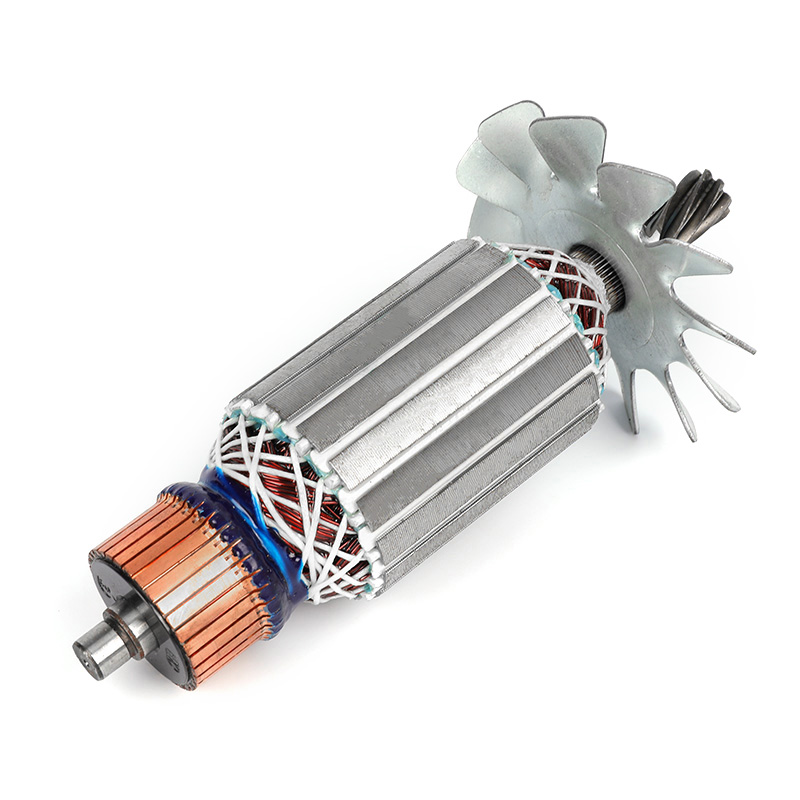
Power tools rely on efficient electric motors to function, and the stator for power tools plays a central role in ensuring smooth operation. The stator, which forms the stationary part of an electric motor, works together with the rotor to generate torque and drive the tool. Selecting a quality stator is important for manufacturers, distributors, and users who want reliable, long-lasting performance. This article explores the key aspects of stators for power tools and what to consider when sourcing them.
1. Understanding the Role of a Stator for Power Tools
The stator for power tools is essentially the backbone of the motor. It contains coils of wire and magnetic cores that produce the electromagnetic field needed for rotation. This electromagnetic interaction drives the rotor, which in turn powers the tool's mechanical functions.
Without a well-designed stator, power tools may experience inconsistent torque, overheating, or early wear. For this reason, manufacturers carefully select materials and designs that balance efficiency and durability.
2. Materials and Construction
Quality construction is key for any stator for power tools. Copper wire is commonly used for the coils due to its high conductivity, while laminated steel cores help reduce energy loss through heat. Insulation materials are added to prevent short circuits and improve safety.
- Coil winding needs to be precise to ensure consistent electromagnetic output.
- Core laminations reduce eddy current losses, which improves efficiency.
- Insulation ensures long-term reliability even under high-speed rotation.
By focusing on materials and assembly, manufacturers can create stators that maintain stable performance over time.
3. Efficiency and Performance Considerations
The design of a stator for power tools directly affects motor efficiency. Factors such as coil thickness, core design, and slot layout determine how effectively electricity is converted into motion. A well-constructed stator reduces energy loss, prevents overheating, and delivers smoother operation.
For users, this means power tools can operate longer, maintain torque under load, and provide consistent performance for demanding tasks.
4. Customization and Application Needs
Different power tools may require specific stator designs. A flexible supplier can provide stators for power tools with variations in:
- Voltage and current ratings
- Physical dimensions to fit compact or heavy-duty tools
- Coil configuration to optimize speed or torque
Manufacturers benefit from this adaptability, as it allows them to design tools suited to particular markets or performance requirements.
5. Quality Control and Reliability
Consistency in production is crucial when sourcing a stator for power tools. Reliable suppliers implement strict quality control procedures, including electrical testing, insulation checks, and dimensional inspections. This ensures that every stator meets performance specifications and reduces the likelihood of failures in the field.
6. Maintenance and Longevity
A properly designed stator for power tools also affects maintenance needs. High-quality stators are less prone to overheating and insulation breakdown, which extends the tool's service life. Users benefit from fewer repairs, reduced downtime, and more predictable tool performance.
Choosing a reliable stator for power tools involves considering materials, design, efficiency, and quality control. A well-constructed stator ensures consistent torque, prevents overheating, and contributes to longer tool life. For manufacturers, distributors, and end-users alike, understanding the importance of the stator can improve product performance and satisfaction. By working with trusted suppliers and selecting stators designed for specific applications, power tools can deliver reliable performance over many years.
Copyright © Yongkang Creator Import & Export Co.,Ltd. All Rights Reserved.

Power Tools and Other Universal Spare Parts Manufacturer