


 English
 русский
 Español
Industry News
Charger For Power Tools Not Charging?
In workshops and job sites, a reliable charger for power tools is just as important as the tools themselves. When the charger stops working as expected, productivity slows down immediately. While many users assume the problem lies in the battery, real-world cases show that the charger for power tools is often the starting place to check.
Understanding how a charger for power tools behaves under different fault conditions can help reduce downtime and avoid unnecessary replacements.
Why Charger For Power Tools Matters
A modern charger for power tools does more than simply deliver electricity. It manages charging stages, monitors battery temperature, and communicates with the battery pack. This coordination supports that the battery charges efficiently and operates within safe limits.
Because of this, when a charger for power tools develops issues, the symptoms can vary. Sometimes there is no response at all. In other cases, the charger appears active but fails to complete a proper charging cycle. Each situation points to different underlying causes.
No Indicator Light at All
One common issue is when a charger for power tools shows no indicator light after being plugged in. In many cases, the problem is not complex.
Power supply should always be checked primary. If the outlet is functioning properly, attention should move to the power cable of the charger for power tools. Repeated bending near the plug or housing often causes internal wire breakage. An intermittent light response when moving the cable is a clear sign.
If the cable is intact, internal components of the charger for power tools may be responsible. Blown fuses or damaged input capacitors are typical causes. These faults prevent the charger from receiving or processing power correctly.
Flashing Indicator Without Charging
Another situation involves a charger for power tools that shows a flashing light but does not begin normal charging. This can be confusing because the charger appears active.
In many cases, the battery voltage is too low for recognition. A deeply discharged battery may fall below the threshold that the charger for power tools can detect. As a result, the charger refuses to start and signals an error.
Communication issues can also result in this condition. Many systems rely on signal lines between the battery and the charger for power tools. If these signals are missing or unstable, the charger cannot confirm battery status and remains in a warning state.
Charging Stops Too Early
Sometimes a charger for power tools switches to a “full” indicator after only a few minutes, even though the battery is far from fully charged. This early stop behavior often points to a battery imbalance rather than a charger defect.
The charger for power tools measures total voltage, not individual cell conditions. If one cell group reaches a higher voltage prematurely, the charger may interpret the entire pack as full. In this case, the charger for power tools is functioning as designed, but the battery requires maintenance or balancing.
Choosing the Right Charger For Power Tools
Selecting a suitable charger for power tools involves more than comparing prices. Protection features are essential. A well-designed charger for power tools should include overcharge protection and temperature control to prevent battery damage.
Compatibility is another key factor. Some models of charger for power tools support multiple voltage platforms, allowing flexibility across different tool systems. This reduces inventory complexity for distributors and users.
Output current also affects performance. A higher current charger for power tools reduces charging time but generates more heat. Matching the charger output with battery capacity supports stable operation without stressing components.
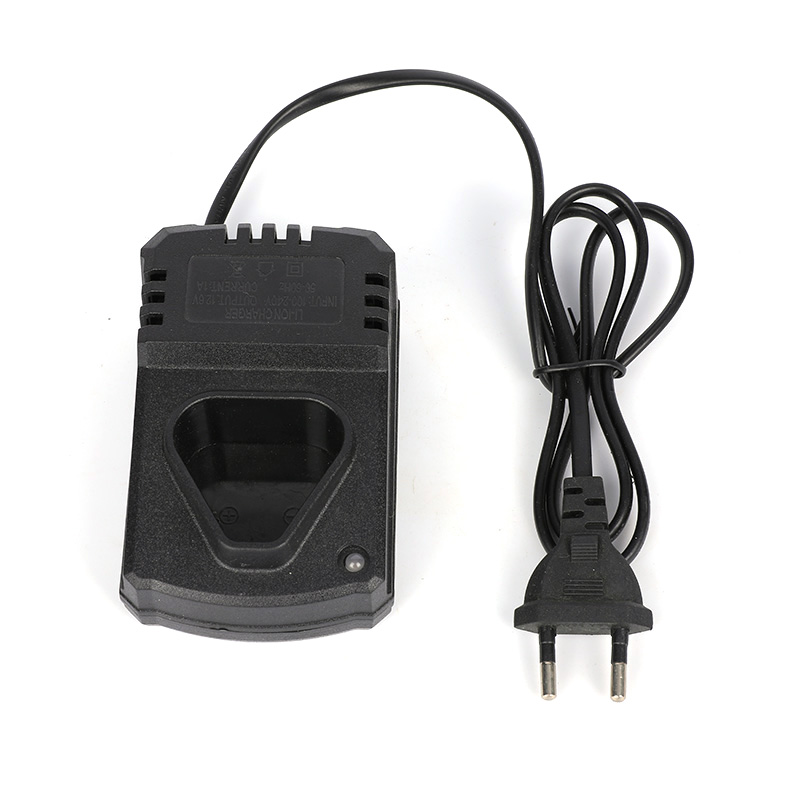
Usage and Maintenance Tips
Proper use extends the life of any charger for power tools. Keeping the unit in a clean and dry environment prevents dust and moisture from affecting internal circuits.
Heat management is equally important. A charger for power tools should have sufficient space for ventilation during operation. Excessive heat buildup may indicate internal wear or cooling issues.
Correct usage sequence also matters. Connecting the charger for power tools to the power source before inserting the battery helps reduce electrical stress on internal components.
Repair or Replace
Not every faulty charger for power tools needs to be replaced immediately. External components such as cables, fuses, or capacitors can often be repaired.
However, if core parts inside the charger for power tools are damaged, replacement is usually more practical. Modern designs prioritize reliability and safety, making new units a more efficient option in many cases.
A clear understanding of how a charger for power tools operates allows users to identify problems accurately and keep their equipment running smoothly over time.
Copyright © Yongkang Creator Import & Export Co.,Ltd. All Rights Reserved.

Power Tools and Other Universal Spare Parts Manufacturer