


 English
 русский
 Español
Industry News
Gardening Tool Replacement Parts: Fitment Errors Cause Returns
Gardening Tool Replacement Parts are usually ordered by someone with a broken tool on the bench, and the order fails more often over a few millimeters of mismatch than over poor quality. A chain with one link too many, a blade with the wrong hole spacing or a handle socket that is slightly too wide all produce the same result: a part that arrives and cannot be fitted.
Wear Parts Fail Before the Tool Does
Cutting parts wear fastest
Chains, guide bars, hedge trimmer blades and cutting edges meet wood and green growth every time the tool runs. Edges dull, teeth chip and bars wear along their rails. The motor housing and frame behind them often stay sound for years. Swapping the worn part keeps the tool working at a fraction of the cost of a new machine, which is why Gardening Tool Replacement Parts form a steady part of the repair trade.
Handles, wheels and fasteners
Handles crack at the socket, wheels wear through on gravel and screws strip or rust. These parts are cheap, but a lawnmower with a worn wheel or a spade with a split handle sits unused until the right replacement is found. Owners tend to search for Gardening Tool Replacement Parts by tool name, and the tool name alone rarely settles the fit.
Measurements That Prevent Wrong Orders
A short list of measurements settles fitment before an order is placed:
|
Part |
Measure before ordering |
|
Chain |
Pitch, gauge and number of drive links |
|
Guide bar |
Length, groove width and mounting-slot position |
|
Hedge trimmer blade |
Blade length, tooth pitch and mounting-hole spacing |
|
Handle |
Socket bore, bolt-hole position and overall length |
|
Wheel |
Axle bore, tread diameter and width |
|
Screws and bolts |
Thread diameter, thread pitch and length |
A model number helps, but one tool name can cover several versions. Electric chainsaws, for example, are commonly sold with 12-, 14- or 16-inch bars under similar model names, and a chain cut for one length will not fit another. Measuring the worn part or the mounting point removes the guesswork. A buyer of Gardening Tool Replacement Parts who sends dimensions with the order avoids a return shipment and a second wait.
Chain Parts Wear as a Set
A chain, a guide bar and a drive sprocket wear together. A new chain on a worn bar rides loose in the groove, cuts crooked and stretches sooner than it should. Technicians usually replace the chain and inspect the bar rails in the same visit, and sellers who list chain, bar and cover as matched items see fewer repeat orders.
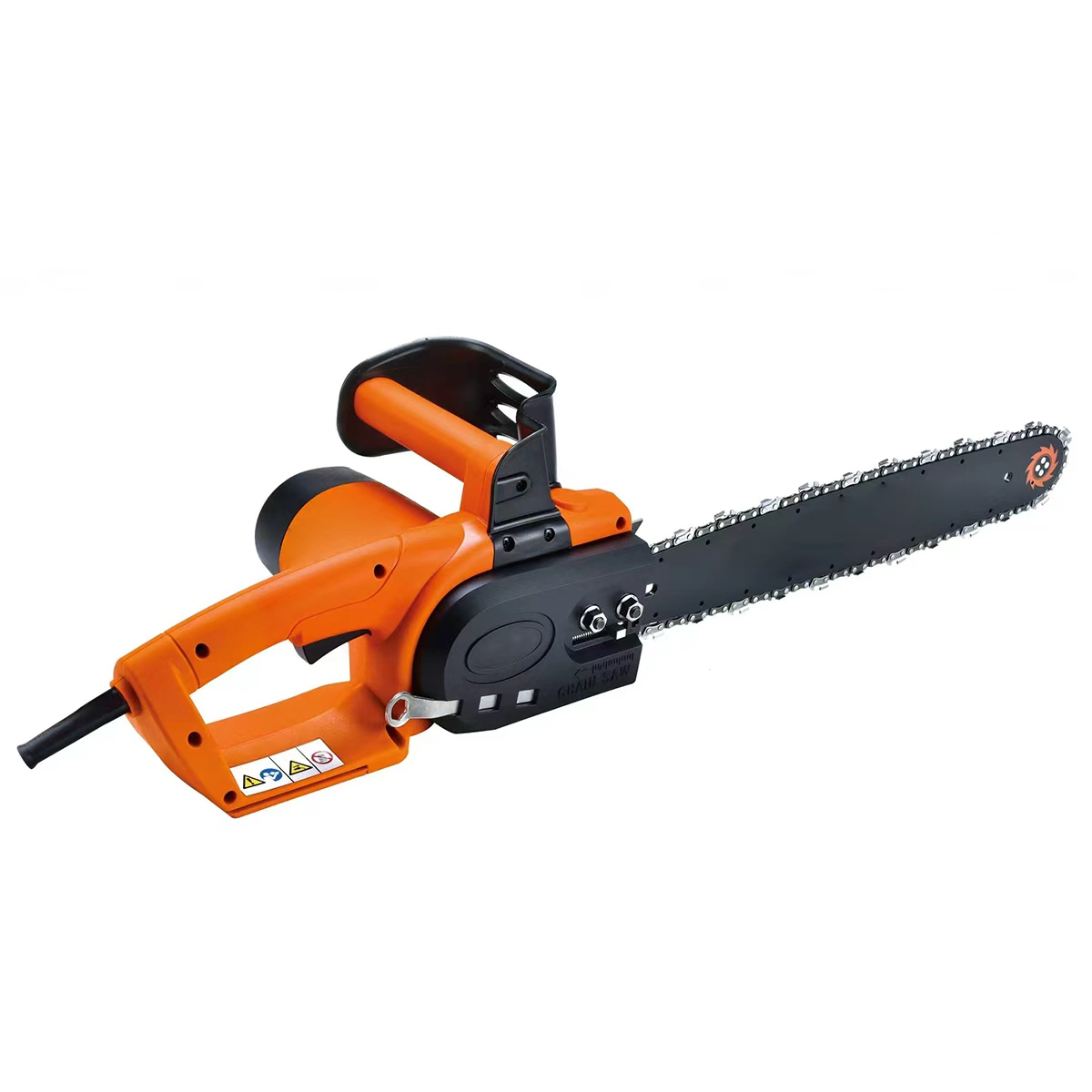
Lubrication belongs in the same check. Tools with automatic oiling need the oil feed confirmed working, since a dry chain wears the bar quickly and shortens the life of the new Gardening Tool Replacement Parts just fitted. Bar covers and guide plate covers protect the bar in storage, and chain files and wrenches let owners keep the edge in shape between replacements.
What Distributors Need From Suppliers
Shops that sell garden tool spare parts carry hundreds of small items, so labeling matters. Dimensions printed on the packaging, fitment lists by tool model and consistent counts per bag let counter staff find the right item in seconds. Screws and bolts travel better in sealed, labeled bags than loose in a carton, while wheels and handles need cartons that resist crushing.
Part sizes that are documented at the factory cut errors at the shelf as well. A supplier of Gardening Tool Replacement Parts who records bore, pitch and hole spacing for every item gives distributors something to check against when a customer holds up a broken piece and asks for a match. Wrong-size returns fall, and so does the time staff spend sorting them.
Fit Is the Practical Quality Check
Material quality matters, yet a well-made part that does not fit is of no use to the buyer. Dimensional accuracy and consistent batches decide whether a blade bolts on, a chain runs true and a wheel spins freely on its axle. Replacement parts for gardening tools are judged on arrival by whether they go onto the tool without filing, shimming or forcing.
Repair customers return to a source whose Gardening Tool Replacement Parts fit without adjustment, and they recommend that source to others in the trade. Over a season, that record counts for more than any single product description.
Contact Us
-
Add: 1st Floor, No. 2, Huanan Road, Zhengcun, Economic Development Zone, Yongkang City, Zhejiang Province, China
-
Tel: +86-0579-87133113
-
E-mail: [email protected]
-
WhatsApp: 8615268683113


Copyright © KERUITE | Yongkang Creator Import & Export Co., Ltd. All Rights Reserved. Privacy Policy

Power Tools and Other Universal Spare Parts Manufacturer