


 English
 русский
 Español
Industry News
Piston For Power Tools Manufacturing Depends on Coating Thickness
A piston that measures correctly on a caliper can still wear unevenly inside a cylinder bore if the surface coating applied during manufacturing isn't held to consistent thickness across the full production run. A Piston For Power Tools has to control this detail alongside base material selection, since coating quality determines how well a piston resists friction and wear long after it leaves the factory looking identical to every other unit in the batch.
Base Material Choice Sets the Performance Ceiling Before Coating Even Applies
Manufacturing a Piston For Power Tools program starts with a material decision between aluminum alloy and steel, and this choice affects weight, heat tolerance, and deformation resistance simultaneously. An aluminum alloy piston reduces total tool weight and resists corrosion well, which matters for manufacturers building lighter-duty tools where handling comfort affects product positioning. Steel pistons tolerate higher pressure and temperature without deforming, which is why manufacturers building heavy-duty tools specify steel even though it adds weight the aluminum alternative would avoid. Buyers should confirm which base material a Piston For Power Tools program uses before comparing coating specifications, since coating performance depends partly on how well it bonds to the underlying metal.
Coating Application Requires Tighter Process Control Than It Appears
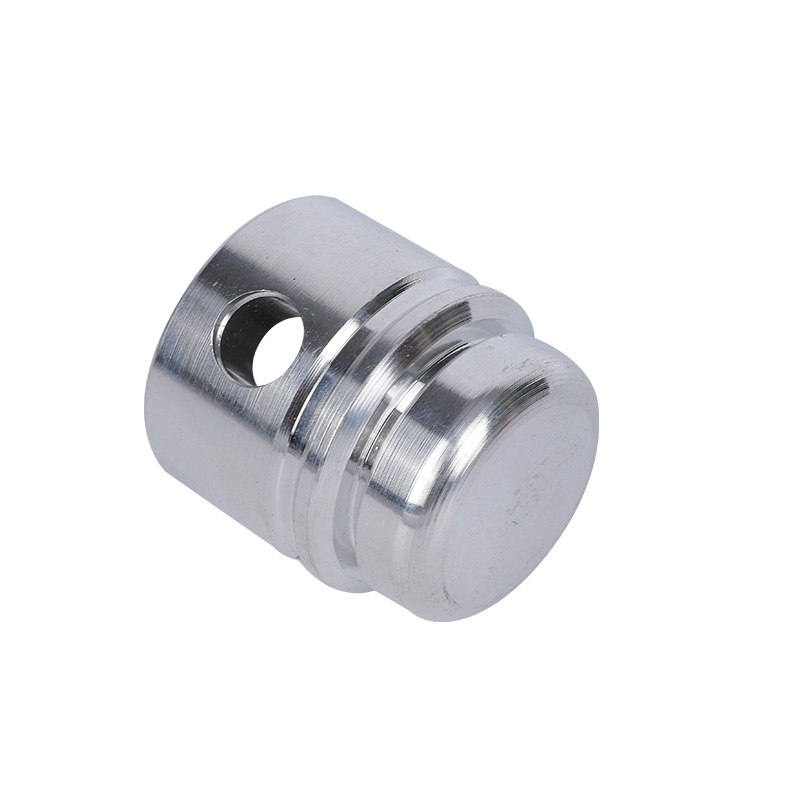
A chrome coated piston resists wear and reduces friction against the cylinder wall more effectively than an uncoated equivalent, but this benefit only holds if the coating thickness stays consistent across the piston's working surface. Manufacturing lines applying chrome or nickel coatings need to control bath chemistry, current density, and plating time closely, since variation in these process parameters produces coating that looks uniform visually but performs inconsistently once the piston is under load inside an operating tool. A nickel plated piston with thin spots in its coating will wear through to bare metal at those points faster than the surrounding coated surface, creating uneven wear that shortens service life well before the rest of the piston shows comparable degradation.
Comparing Material and Coating Combinations by Application
|
Configuration |
Weight |
Heat Tolerance |
Typical Application |
|
Aluminum, Uncoated |
Lightest |
Moderate |
Light-duty, intermittent-use tools |
|
Aluminum, Coated |
Light |
Improved wear resistance |
General-purpose cordless tools |
|
Steel, Coated |
Heaviest |
Highest |
Heavy-duty, continuous-use tools |
Buyers sourcing a Piston For Power Tools program for tools that run continuously under sustained load should specify the steel, coated configuration despite the added weight, while buyers building lightweight cordless tools often accept the tradeoff toward aluminum for handling comfort.
Dimensional Fit Between Piston and Cylinder Bore Affects Sealing
A Piston For Power Tools producing pistons that pair with a specific cylinder bore needs to hold outer diameter tolerance tightly, since a piston machined even slightly undersized creates a sealing gap that reduces compression efficiency, while an oversized piston increases friction and accelerates wear on both the piston and cylinder wall. Manufacturing teams should validate piston diameter against actual cylinder bore samples rather than relying solely on drawing tolerances, since cumulative tolerance stacking between two independently machined components can produce a fit that's technically within specification on paper but performs poorly once assembled.
Quality Control Across Coating and Machining Stages
Manufacturing a Piston For Power Tools line to consistent quality requires inspection checkpoints after both machining and coating stages, rather than a single inspection at final assembly, since a dimensional or coating defect introduced partway through production can affect a meaningful portion of a batch before final inspection catches it. Buyers sourcing at volume from a steel piston manufacturer should request documentation showing inspection frequency throughout the production process, not just a final sample report, since batch-level consistency depends on catching drift early rather than discovering it after a full run is already complete.
Customization and Bulk Supply for OEM Buyers
Buyers matching pistons to a specific tool model or brand should confirm whether a supplier can machine to custom dimensions from a drawing or physical sample, since aftermarket piston programs often need to match OEM specifications exactly rather than working from a generic catalog size. Manufacturers operating from Yongkang's dense hardware manufacturing cluster typically have faster access to secondary processing and tooling adjustment than suppliers working in more isolated locations, which shows up as shorter turnaround on custom piston orders and quicker resolution when a dimensional adjustment is needed mid-production.
Copyright © Yongkang Creator Import & Export Co.,Ltd. All Rights Reserved.

Power Tools and Other Universal Spare Parts Manufacturer