


 English
 русский
 Español
Industry News
Why Does the Piston For Power Tools Matter More Than You Think?
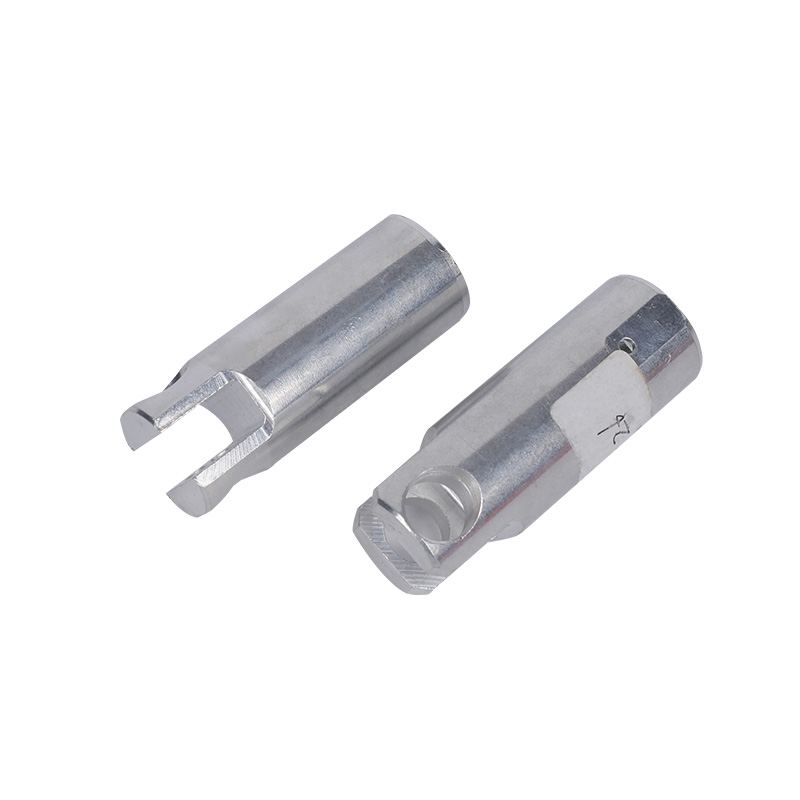
When people think about power tools, they usually picture the outer shell, the motor, or maybe the brand name printed on the side. Rarely does anyone think about what happens inside. Yet, in tools such as rotary hammers and demolition hammers, the Piston For Power Tools plays a quiet but decisive role.
It may be compact, but its influence on impact force, stability, and long-term use is hard to ignore. Without a reliable piston system, even a strong motor cannot deliver consistent results.
The Hidden Force Behind Impact Tools
In impact-based equipment, motion is everything. The motor generates rotational energy, but the piston converts that motion into controlled, repeated impact. This transformation is what allows a hammer drill to break concrete or a demolition tool to chip away stone.
A well-designed Piston For Power Tools ensures:
- Smooth linear movement
- Stable air compression or mechanical transfer
- Controlled energy delivery
- Reduced internal vibration
When these elements work together, the operator feels steadier handling, and the machine experiences less internal stress. On job sites where tools run for hours, that difference becomes noticeable.
Material Matters More Than It Seems
The performance of a Piston For Power Tools depends heavily on its material and machining accuracy. Industrial users often require pistons made from hardened alloy steel or specially treated metals. These materials handle repeated friction and high temperatures without deforming.
Precision machining also affects efficiency. Even minor dimensional variations can cause air leakage or uneven contact. Over time, that may lead to power loss or mechanical wear.
Manufacturers who focus on tight tolerances and surface finishing usually produce pistons that maintain steady output over extended use. In demanding environments such as construction sites or equipment rental fleets, durability is not optional—it is necessary.
Balancing Power and Longevity
Increasing impact force is not simply about making parts stronger. If a Piston For Power Tools transfers too much stress without proper balance, other internal components may wear faster.
Good engineering considers:
- Stroke length
- Weight distribution
- Seal compatibility
- Lubrication pathways
A balanced piston system allows strong impact while protecting the cylinder and striker components. This approach supports long service intervals and reduces unexpected downtime.
In industrial procurement, buyers often evaluate not only output ratings but also maintenance cycles. A piston that maintains stable performance over time supports predictable repair schedules and cost control.
Manufacturing Precision and Industrial Demand
Behind every dependable piston is a manufacturing process that includes forging, CNC machining, heat treatment, and quality inspection. Each step influences consistency.
For an industrial buyer sourcing from a component supplier, working with an experienced Piston For Power Tools producer often means:
- Consistent batch quality
- Clear material traceability
- Testing data for hardness and wear resistance
- Flexible customization options
Customization is increasingly relevant. Different tool brands may require variations in diameter, stroke, or sealing design. A responsive manufacturer can adapt production lines to meet these technical drawings without compromising structural integrity.
Efficiency Beyond Energy Output
Efficiency in power tools is not only about electricity consumption. It also relates to how effectively mechanical energy converts into usable impact.
A refined Piston For Power Tools reduces friction loss and stabilizes motion cycles. This results in:
- Steadier drilling rhythm
- Lower internal heat buildup
- Reduced vibration feedback
- Improved operator comfort
Over long shifts, smoother performance can help reduce fatigue and maintain consistent work quality. In professional settings, that reliability supports productivity without unnecessary strain on equipment or workers.
Looking Ahead: Quiet Innovation Inside the Tool
Technology discussions often focus on battery systems or brushless motors. Yet internal mechanical parts continue to evolve. Surface treatments, improved alloys, and advanced inspection systems are shaping the next generation of pistons.
While users may never see the Piston For Power Tools directly, its engineering determines how confidently a tool performs under pressure. For manufacturers and distributors, paying attention to this internal component can influence product reputation and long-term partnerships.
In the end, performance is not built from one visible feature. It comes from the coordination of every internal part working in balance. And sometimes, the smallest component inside the housing carries more responsibility than anyone expects.
Copyright © Yongkang Creator Import & Export Co.,Ltd. All Rights Reserved.

Power Tools and Other Universal Spare Parts Manufacturer