


 English
 русский
 Español
Industry News
Why Is Choosing the Right Stator For Power Tools Important?
Power tools rely on electric motors to provide the torque and speed required for various tasks. A key component in these motors is the stator for power tools, which generates the magnetic field necessary for motor operation. Understanding the role, design, and maintenance of the stator helps manufacturers, repair professionals, and users ensure reliable performance and extended tool life.
The Role of a Stator in Power Tools
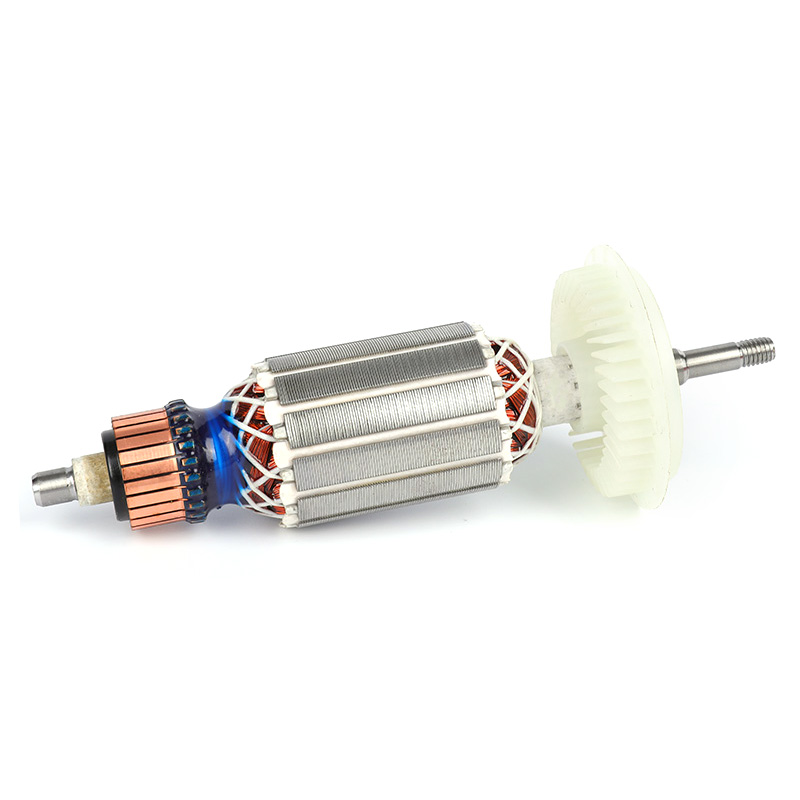
A stator for power tools is a stationary part of the motor that works with the rotor to create motion. When electricity flows through the stator windings, it generates a magnetic field. This field interacts with the rotor, causing it to rotate and produce mechanical energy. The quality and design of the stator directly influence the efficiency, torque, and speed of the power tool.
Different types of power tools, such as drills, grinders, and saws, require stators designed to handle specific current levels and operational loads. Choosing a stator with the appropriate specifications ensures that the tool operates safely and reliably.
Materials and Construction
The construction of a stator for power tools is critical for its durability and performance. Typically, the stator core is made from laminated steel to reduce energy loss due to eddy currents. The windings are insulated copper or aluminum wires designed to withstand heat generated during prolonged use. Proper insulation and winding techniques prevent short circuits, overheating, and premature failure.
Some stators also include features like epoxy coatings or varnish to protect against moisture, dust, and vibration. These protective measures improve reliability, especially in high-demand environments such as workshops or construction sites.
Applications in Various Power Tools
A stator for power tools is used in a wide range of devices. Cordless drills, angle grinders, circular saws, and other hand-held or stationary tools all depend on the stator to generate the required rotational force. In each application, the stator must match the motor design to achieve the intended speed and torque without overheating or loss of efficiency.
For industrial and heavy-duty tools, stators are often engineered to handle higher currents and continuous operation. For lighter or portable tools, emphasis may be placed on weight reduction and compact design while maintaining performance.
Efficiency and Performance Considerations
Efficiency is an important aspect of a stator for power tools. High-quality stators ensure that electrical energy is effectively converted into mechanical energy with minimal loss. Proper design and precise manufacturing reduce heat buildup, which extends the life of the motor and enhances tool performance. Choosing a stator with the correct winding configuration and material properties can significantly impact energy consumption and operational stability.
Maintenance and Longevity
Maintaining a stator for power tools is essential for long-term performance. While the stator itself is stationary, it is exposed to heat, dust, and vibration during operation. Regular inspection of connections, cleaning of debris, and monitoring of temperature can prevent damage and ensure consistent performance. Repairing or replacing worn windings promptly avoids larger motor failures and downtime.
A stator for power tools is a fundamental component that affects the functionality, efficiency, and longevity of electric motors. By understanding its role, construction, applications, efficiency considerations, and maintenance requirements, users and manufacturers can ensure reliable tool performance. Selecting the right stator for the intended power tool and maintaining it properly supports productivity, reduces repairs, and enhances overall safety in both industrial and domestic environments.
Copyright © Yongkang Creator Import & Export Co.,Ltd. All Rights Reserved.

Power Tools and Other Universal Spare Parts Manufacturer