


 English
 русский
 Español
Industry News
Home / News / Industry News / Why Is the Stator for Power Tools an Important Component in Electric Equipment?
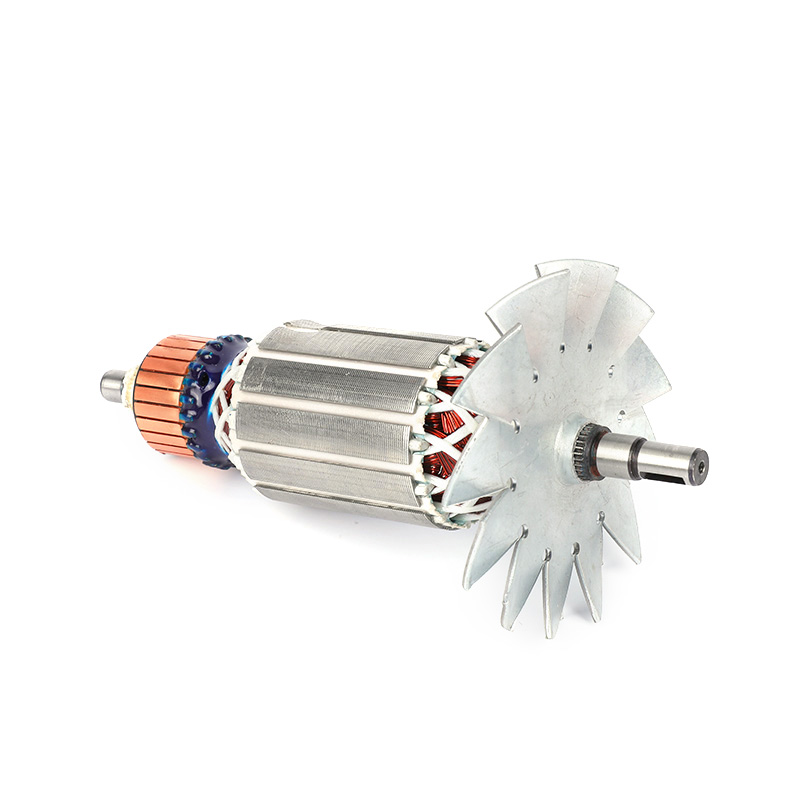
Power tools are essential in workshops, construction sites, and DIY projects. The efficiency, durability, and reliability of these tools depend on their internal components. One of the key parts is the Stator For Power Tools, which plays a crucial role in the operation of electric motors. Understanding its function and characteristics helps users maintain their tools and choose replacements when necessary.
A Stator For Power Tools is the stationary part of an electric motor. It typically consists of a laminated iron core with windings made of copper or aluminum wire. When connected to an electrical source, the stator generates a magnetic field that interacts with the rotor, causing the motor to spin. The design and quality of the stator directly influence the motor's performance and efficiency.
a. Power and Torque Output
The magnetic field generated by a Stator For Power Tools determines the torque and speed of the motor. A well-made stator ensures consistent power delivery and smooth operation during tasks such as drilling, cutting, or sanding. Inconsistent winding or poor materials can lead to reduced performance or overheating.
b. Durability and Heat Management
Power tools often operate under heavy loads for extended periods. The stator must withstand high temperatures without losing its properties. High-quality insulation on the windings and precise assembly help the Stator For Power Tools handle heat and mechanical stress, extending the motor's lifespan.
c. Efficiency and Energy Use
A properly designed Stator For Power Tools reduces energy loss and improves overall efficiency. This means the tool can deliver sufficient power while consuming less electricity, which is important for both portable battery-powered tools and corded electric devices.
a. Compatibility with the Motor
Ensure the stator matches the motor specifications in terms of voltage, current, and size. Using an incompatible Stator For Power Tools can cause poor performance or damage the motor.
b. Material and Insulation Quality
High-grade copper or aluminum windings and durable insulation improve efficiency and reduce the risk of short circuits. Checking these factors helps in choosing a reliable replacement.
c. Maintenance Considerations
While stators require minimal routine maintenance, it is important to keep the motor clean and free of dust. Overheating or exposure to moisture can damage the Stator For Power Tools, leading to motor failure.
The Stator For Power Tools is used in a wide range of devices, including:
Its role is universal across different tools that rely on electric motors, making it a critical component in both industrial and household equipment.
A Stator For Power Tools is central to the operation of electric motors, affecting power, efficiency, and durability. Selecting the right stator and maintaining it properly ensures consistent tool performance and extends the life of the equipment. Understanding its role helps both professionals and hobbyists make informed decisions when servicing or upgrading power tools.
Copyright © Yongkang Creator Import & Export Co.,Ltd. All Rights Reserved.

Power Tools and Other Universal Spare Parts Manufacturer